
TIMELESS HEALING(614) 828-7446
LOCATIONColumbus, OH

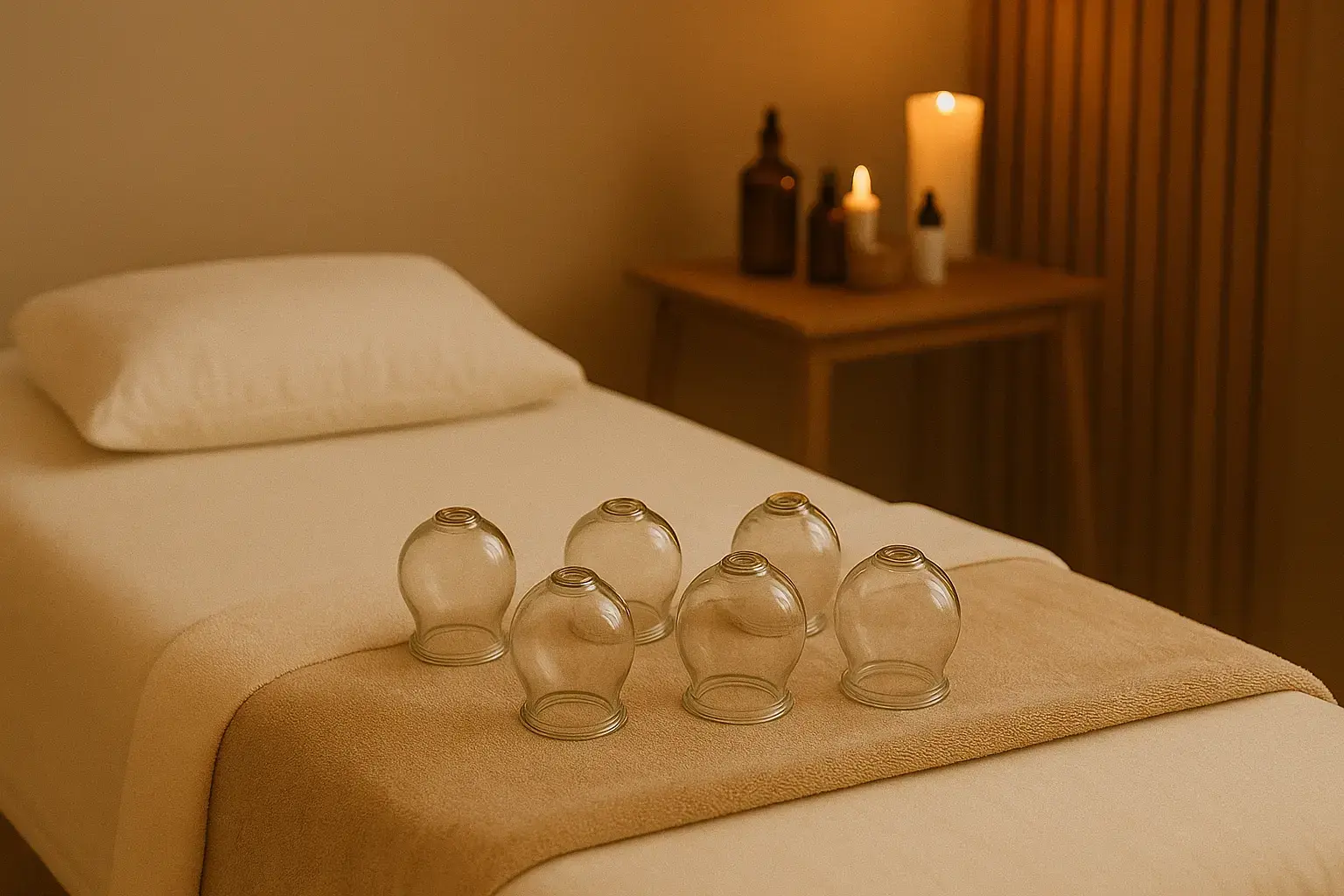
Ibn Qayim mentioned in his book At-Tibb An-Nabawiyy (Prophetic Medicine) the fundamental principles of medicine. These principles are: preservation of health, prevention of harm, and removal of harmful substances. He also stated that if a person is afflicted with an illness, it is upon them to seek a cure. Cupping (Hijama) is one of the most effective cures for removing harm from the body.
Hijama originated in China and was a well-known practice among the Arabs even before Islam. The Prophet Muhammad (ﷺ) further encouraged its use, saying: "The best of that with which you can be treated is Hijamah.“
The word Hijama is an Arabic word originating from Hajm, which means "to suck." In English, it's often referred to as wet cupping and is distinct from bloodletting.
Authentic Islamic guidance on the healing benefits
This well-known practice is highly effective in curing many different types of illnesses, including diabetes, migraines, back pain, and asthma. However, it's essential for a believer to place complete trust in Allah while taking the necessary means to cure themselves.
It has been established that every sickness, except for death, has been sent down with its cure, and it is upon every individual to seek it.
"There are two blessings which many people are duped out of: good health and free time."— Prophet Muhammad (ﷺ)
He also advised: "Take advantage of five before five: your youth before old age, your health before your illness, your wealth before your poverty..."
Understanding the authentic Islamic practice
Hijama removes stagnant blood from beneath the skin's surface, carefully avoiding veins. This is the authentic prophetic method.
Bloodletting extracts blood from veins and arteries, making it a more invasive procedure, distinct from Hijama.
As referenced by Ibn al-Qayyim, Hijama is better for purifying the outer layer of the body, while bloodletting is more suitable for deeper, more systemic ailments.
Following the authentic Sunnah guidance
"The best days upon which you can be cupped are the 17th, the 19th, and the 21st."— Prophet Muhammad (ﷺ), Hadith of Ibn Abbas
A similar narration from Abu Hurayrah states that cupping on these days is a remedy for every ailment.
Note: No authentic narrations prohibit Hijama on other days.
Evolution from traditional to modern methods
Historically, various tools were used for Hijama, including hollowed animal horns, bamboo, clay, and glass. The incisions for wet cupping evolved from chiseled stones to modern surgical blades.
Today, modern, sterile equipment is used. The safest method today is using mechanical plastic cups and pumps, ensuring the highest standards of hygiene and safety.
Scholarly guidance on ritual purity
Based on the Hadith of Anas ibn Malik, the Prophet (ﷺ) was cupped and did not perform Wudu afterward.
"What comes out of the body does not nullify Wudu, except for that which exits from the private passages. The one who claims it breaks Wudu must provide evidence."— Sheikh Muhammad ibn Salih Al-Uthaymeen
We would love to hear from you! Reach out with any questions or feedback.
Timelesshealingllc@gmail.com
3252 Cleveland Avenue, Columbus, OH
+1 (614) 828-7446